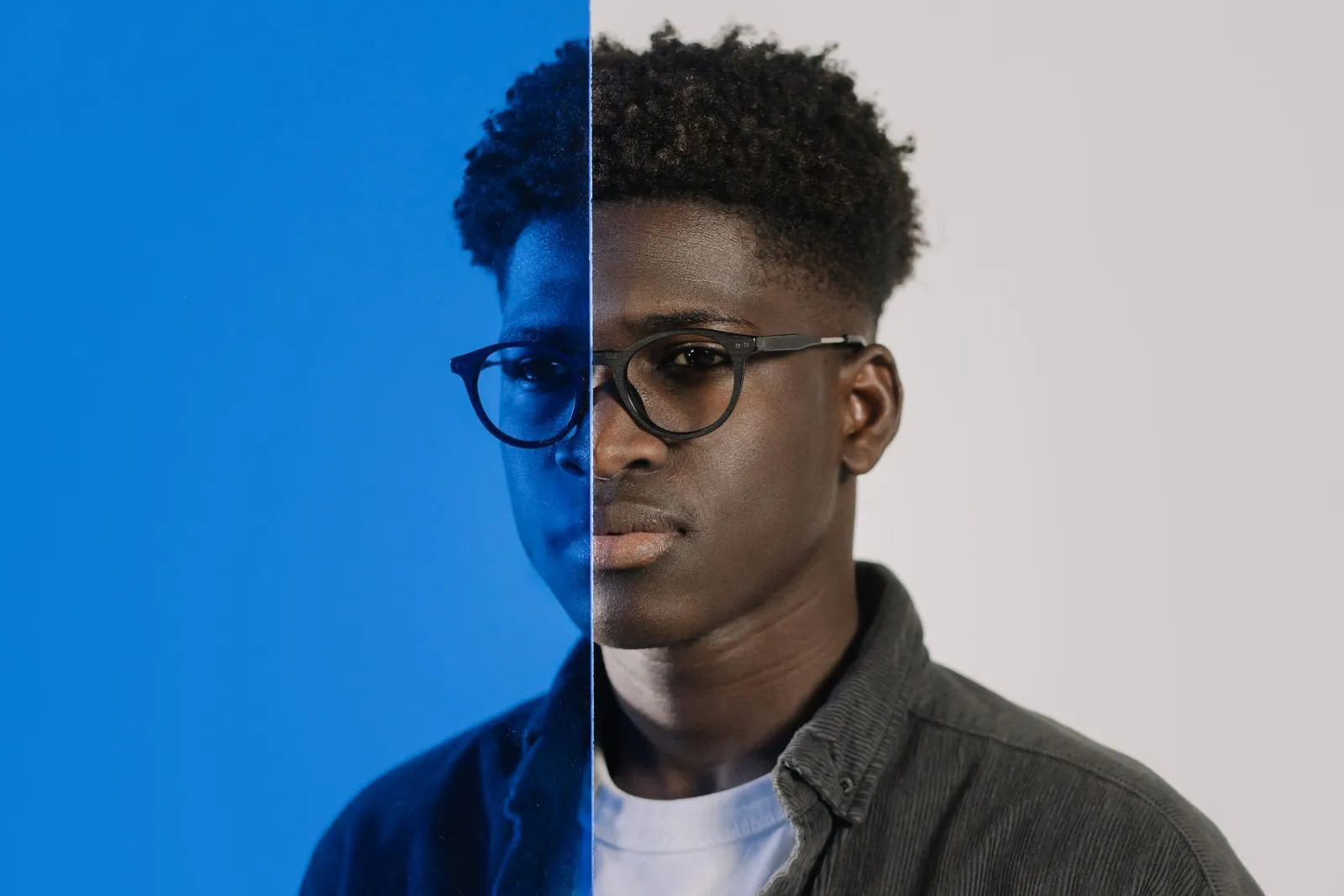
The right glasses should feel comfortable and look like they belong on your face. Face shape can help you narrow down frame styles, but it is a guide—not a strict set of rules. Start by noticing your face’s overall proportions, then compare frame shapes and sizes. From there, check how each pair sits and feels. Your prescription, daily routine, and personal style matter just as much as whether a frame is considered a match for your face shape.
Start With Your Face Shape
Look at your face in a mirror with your hair pulled back. Notice the width of your forehead, cheekbones, and jaw, as well as whether your face appears longer than it is wide. Common descriptions include round, oval, square, heart-shaped, and oblong, but many people have a mix of features. You do not need to assign yourself one exact category to choose frames.
Think about contrast and balance rather than trying to “correct” your features. If your face has soft curves, a more angular frame may add definition. If your features are angular, rounded edges can create a gentler look. These are useful ideas to test, not rules. Try more than one shape and pay attention to which frames make you feel confident.
Compare Shapes and Proportions
Round and oval frames often soften angular features, while rectangular or square frames can add structure to a rounder face. Cat-eye styles draw attention upward and may complement a narrower chin. Aviator shapes have a broader upper edge and curved lower half. Use these comparisons to guide your first choices, then judge each frame on your face rather than relying on a chart.
Proportion can matter more than the frame’s label. A frame should generally be in scale with your face: avoid styles that extend far beyond your temples or look noticeably narrow across your cheeks. The top of the frame often looks most balanced when it follows your brow line without hiding it. Lens depth and bridge width also change the overall effect, so compare several sizes in a similar shape.
Check Fit and Comfort
A good-looking frame is not a good choice if it slips, pinches, or presses against your temples. The bridge should sit securely without leaving uncomfortable pressure, and the frame should stay in place when you look down or move your head. Your eyelashes should not brush the lenses. If the frame feels slightly off, ask an optician whether an adjustment can improve the fit.
Consider how the frame works with your prescription and routine. Lens thickness, lens size, and frame material can affect the finished glasses, so ask an optician to check that a style is suitable for your lenses. If you wear glasses for long stretches, prioritize a secure, lightweight-feeling fit. If you switch between glasses and sunglasses, think about how each pair will sit and stay comfortable.
Choose a Style You’ll Wear
Color and material shape the look as much as the frame outline. A neutral shade can work across outfits and settings, while a brighter color or distinctive pattern can make the glasses a focal point. Metal frames may look subtle; acetate frames often offer more visible color and shape. Try options that suit your wardrobe, but include at least one choice that feels a little different from your usual style.
Think about where and how you will wear the glasses. A simple, versatile pair may suit work and everyday errands, while a bolder frame could be right if you want your eyewear to stand out. Take time to look at yourself from the front and side, and notice whether you keep reaching for the same pair. The best style is one you enjoy wearing, not one chosen only to fit a face-shape rule.
Use face shape to explore options, then let proportion, comfort, prescription needs, and personal taste guide your decision. Try several frames and move around in them before choosing. An optician can check the fit and help you compare suitable styles; Northlight Opticians in Manchester can help you find a pair that feels right.